

INTRODUCTION
The Middle East is one of the world’s most strategically important regions for global energy production,
maritime trade, fertilizer exports, and international supply chains. The escalation of geopolitical tensions
and military conflict in early 2026 has generated significant disruptions across global markets, creating
economic shocks that extend far beyond the immediate conflict zone.
At the center of these disruptions is the Strait of Hormuz, a critical maritime chokepoint connecting the
Persian Gulf to international markets. The Strait facilitates approximately one-quarter of global seaborne
oil trade, substantial volumes of liquefied natural gas (LNG), and nearly one-third of global fertilizer
shipments. Disruptions to shipping traffic through this corridor have resulted in increased fuel prices,
higher freight costs, elevated insurance premiums, and reduced availability of agricultural inputs in many
parts of the world.
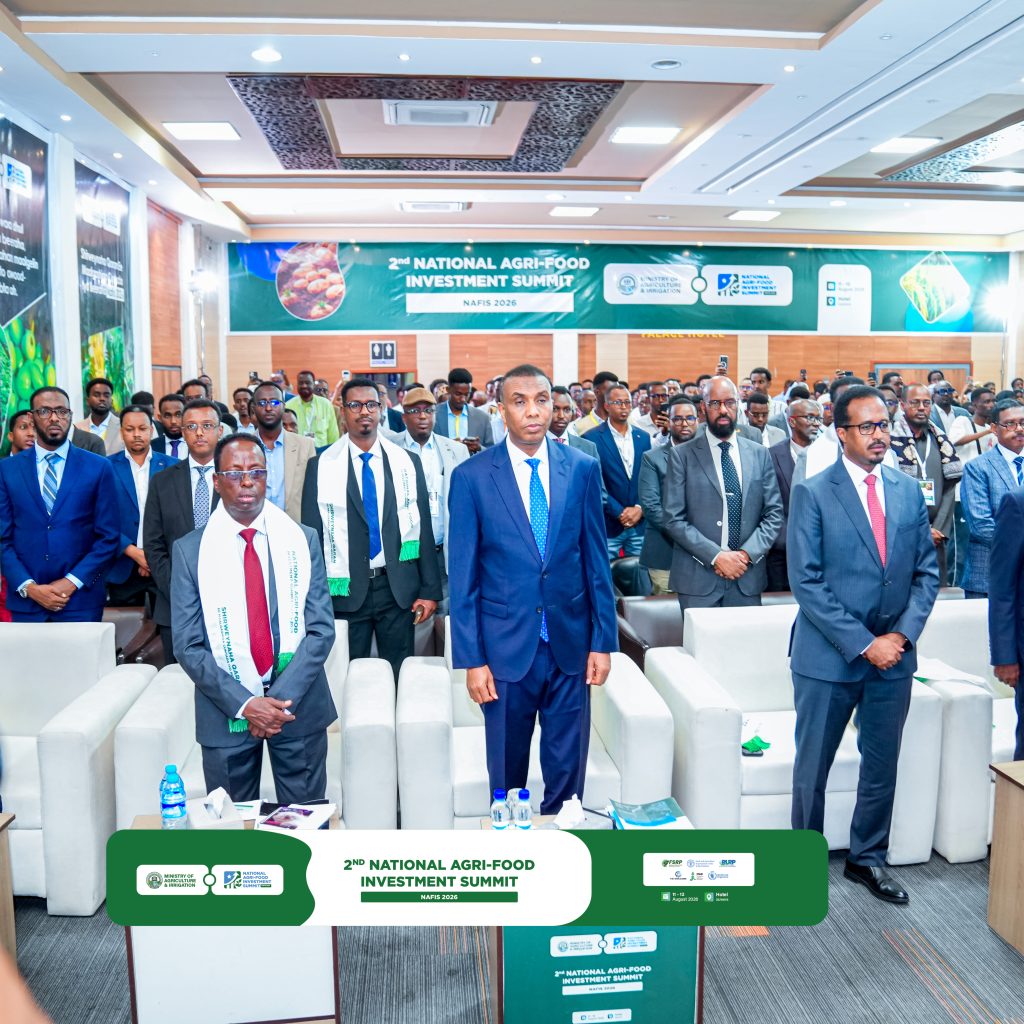
2nd NATIONAL AGRI-FOOD INVESTMENT SUMMIT (NAFIS 2026)